How Shallow Geothermal Wells Enhance Robotic Safety in Data Centers


Introduction to Geothermal Wells in Data Centers
The ever-growing demand for data processing power has led to the rapid expansion of data centers worldwide. These facilities require innovative solutions to maintain efficiency and safety. One such solution is the integration of shallow geothermal wells, a technology that provides significant benefits in terms of energy efficiency and robotic safety.
Geothermal wells are not just an eco-friendly option; they play a crucial role in maintaining optimal conditions within data centers. This post explores how these wells enhance robotic safety, ensuring seamless operations.
What Are Shallow Geothermal Wells?
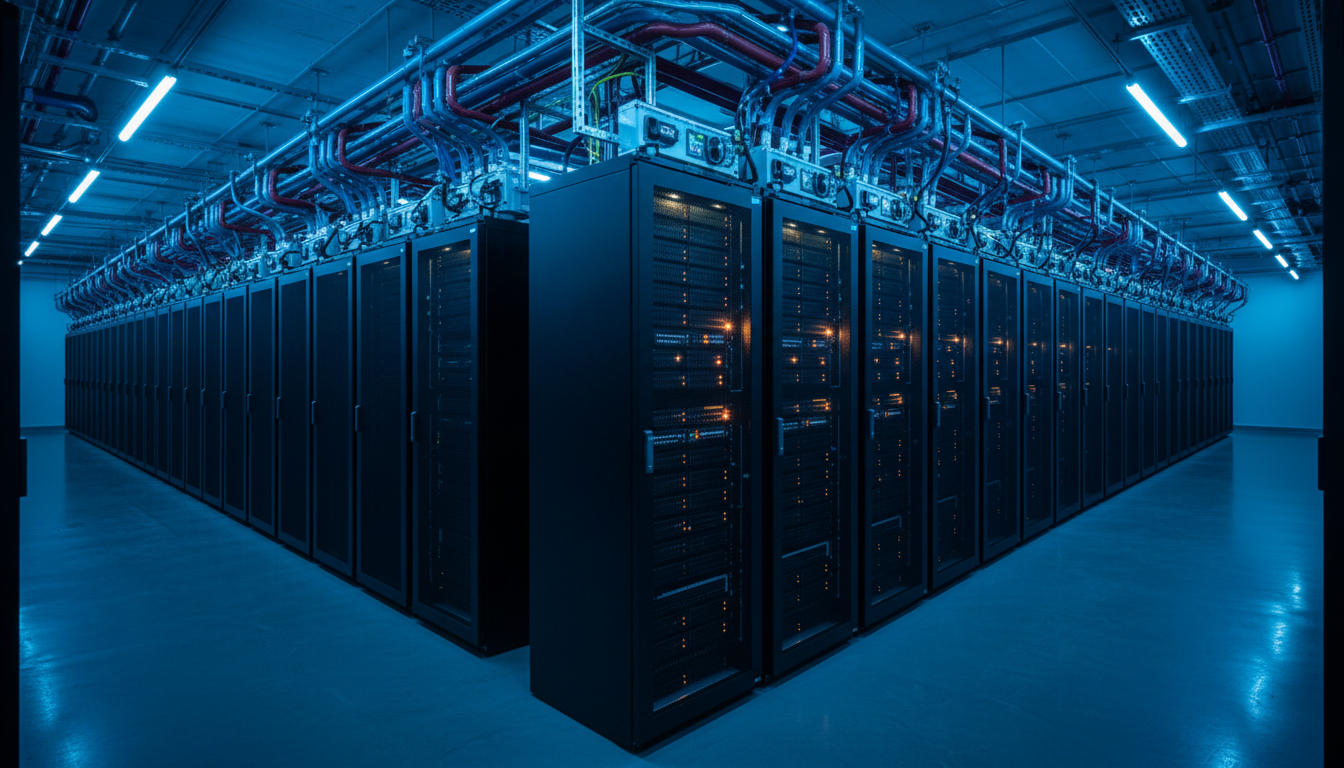
Shallow geothermal wells tap into the stable temperatures found underground to provide heating and cooling solutions. By circulating a fluid through a series of pipes installed underground, these systems can transfer heat to or from the earth, depending on the season. This system is both cost-effective and environmentally friendly, making it an ideal choice for data centers.
The consistent temperatures provided by geothermal systems help maintain the necessary climate control, which is critical for the sensitive equipment and robotics used in these facilities.
Energy Efficiency and Cost Savings
One of the primary advantages of geothermal wells is their ability to significantly reduce energy consumption. This reduction not only lowers operational costs but also decreases the carbon footprint of data centers. By providing a stable and efficient source of heating and cooling, these systems help maintain the ideal conditions required for the optimal performance of robotic systems.
Enhancing Robotic Safety
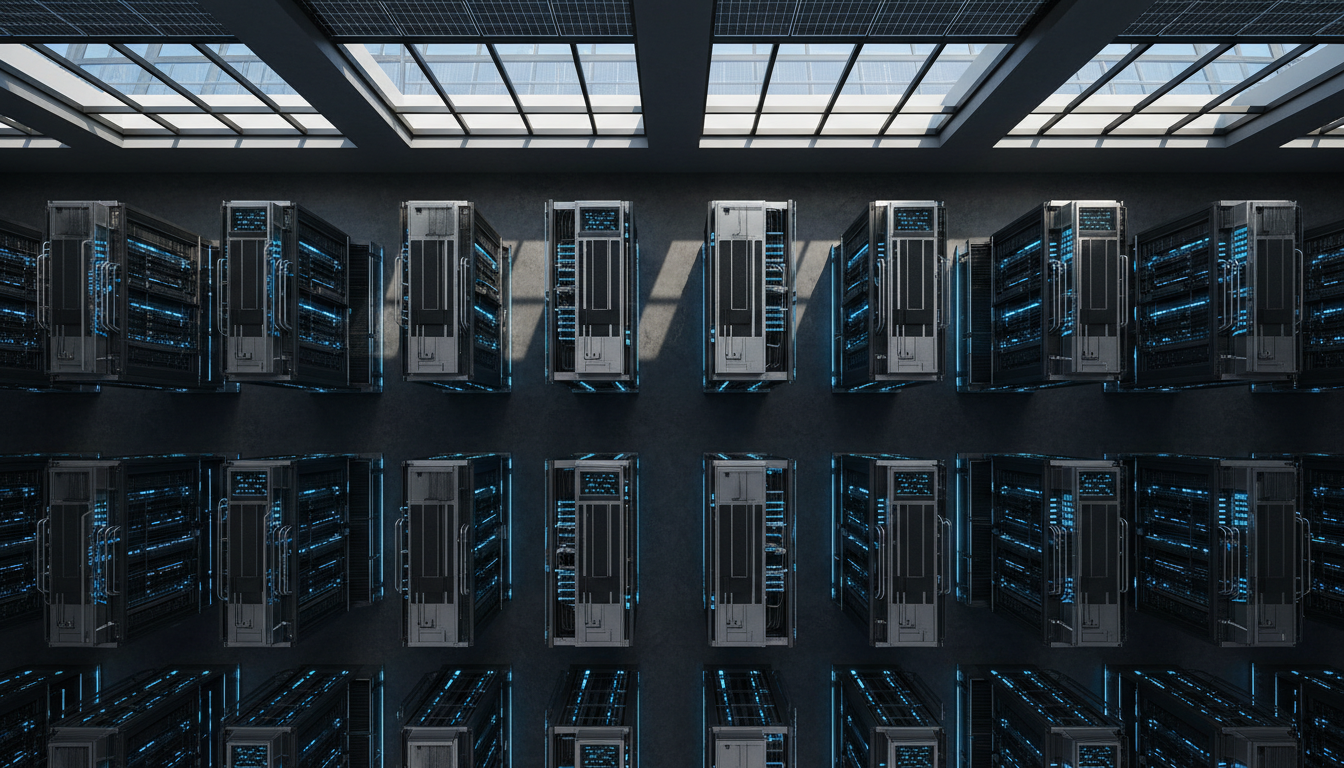
Data centers rely heavily on advanced robotics for various tasks such as server maintenance, inventory management, and environmental monitoring. The consistent climate provided by geothermal wells ensures that these robotic systems operate within their optimal temperature range, reducing the risk of overheating or malfunction.
By maintaining a stable environment, geothermal wells help prevent unexpected shutdowns or failures, which can lead to costly downtime and damage to sensitive equipment.
Reduced Risk of Overheating
Robots used in data centers are susceptible to overheating, especially during peak operation times. Geothermal systems provide a reliable cooling mechanism that mitigates this risk. The continuous circulation of temperature-controlled fluid keeps the environment stable, ensuring that robotic components remain cool even under heavy loads.

Improved Operational Reliability
Geothermal wells not only protect the robotic systems but also enhance the overall reliability of data center operations. By reducing the strain on traditional HVAC systems, these wells decrease the likelihood of mechanical failures, ensuring that data centers can operate smoothly and efficiently.
This increased reliability is crucial for data centers that support critical functions in industries such as finance, healthcare, and telecommunications.
Environmental Benefits
Beyond enhancing robotic safety and operational reliability, geothermal wells provide substantial environmental benefits. By utilizing the earth’s natural heat, these systems reduce reliance on fossil fuels, contributing to a more sustainable future. This aligns with the growing trend of data centers striving to minimize their environmental impact.
Conclusion
Incorporating shallow geothermal wells into data center infrastructure is a forward-thinking approach that offers numerous benefits. From enhancing robotic safety to improving energy efficiency and supporting environmental sustainability, geothermal systems address several key challenges faced by modern data centers.
As the demand for data processing continues to rise, the adoption of innovative solutions like geothermal wells will be essential in ensuring that data centers remain safe, efficient, and environmentally responsible.