Innovative Robotic Solutions for Factory Safety: A Comprehensive Guide


In the rapidly evolving world of manufacturing, ensuring the safety of factory workers is paramount. With the advent of innovative robotic solutions, factories are now able to create safer environments while boosting productivity. This comprehensive guide explores how these cutting-edge technologies are transforming workplace safety.
Understanding the Role of Robotics in Factory Safety
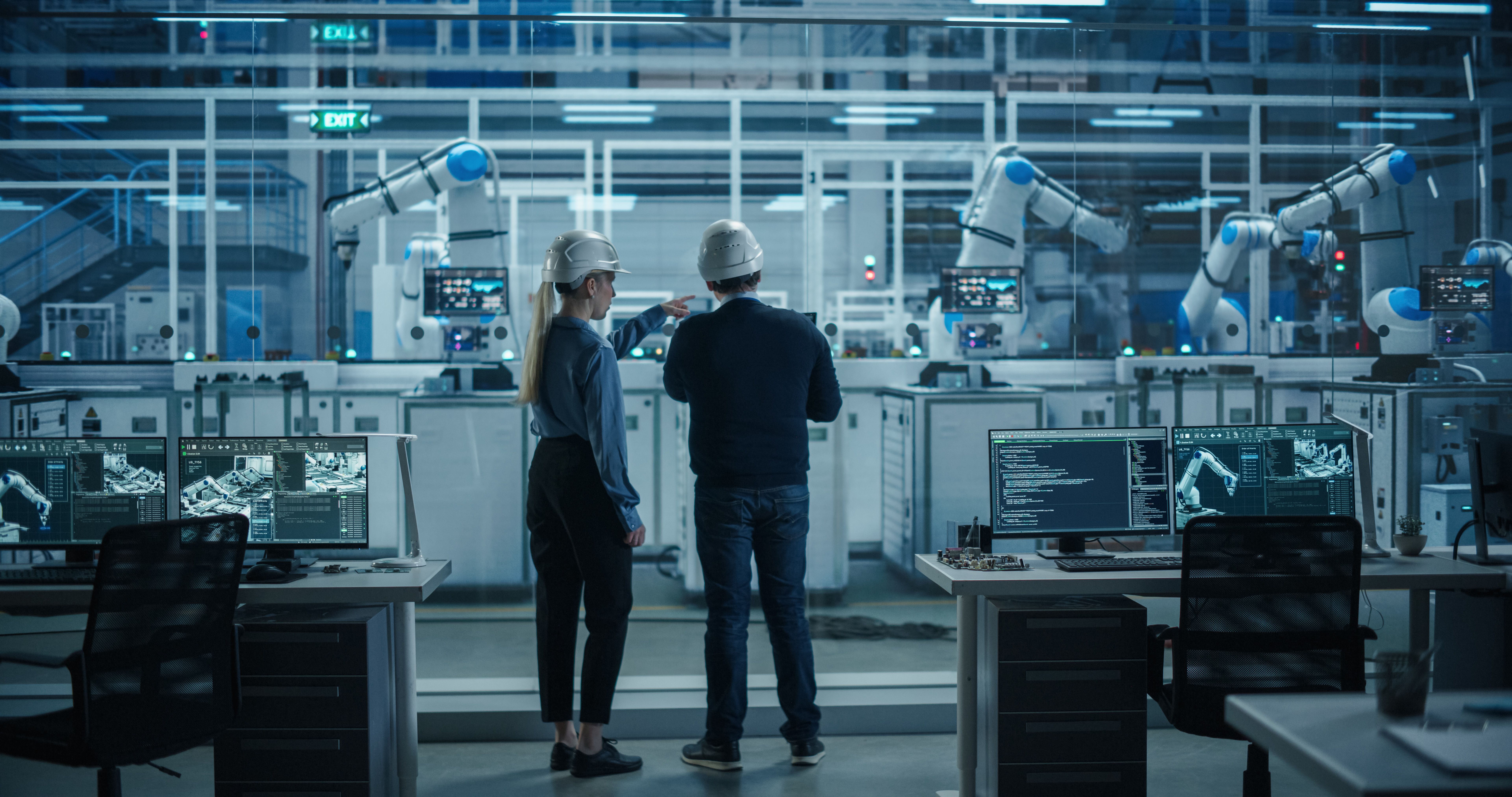
Robots in factories are no longer just about efficiency and speed. They play a critical role in enhancing safety by performing tasks that are hazardous to humans. From handling toxic substances to operating heavy machinery, robots are designed to tackle jobs that pose significant risks.
Robots equipped with advanced sensors and AI capabilities can detect potential dangers and respond swiftly to prevent accidents. This proactive approach is crucial in minimizing workplace injuries and ensuring a safer working environment.
Types of Safety Robots
Several types of robots are employed to enhance safety in factories:
- Collaborative Robots (Cobots): Designed to work alongside humans, cobots are equipped with sensors that allow them to detect human presence and avoid collisions.
- Inspection Robots: These robots can navigate through confined spaces and assess areas that are difficult for humans to reach, identifying potential hazards.
- Automated Guided Vehicles (AGVs): Used for transporting materials, AGVs reduce the risk of accidents associated with forklifts and other manual transport methods.
Benefits of Implementing Robotic Safety Solutions
Integrating robotic solutions into factory operations offers numerous benefits. One of the most significant advantages is the reduction in workplace injuries. By taking over dangerous tasks, robots help decrease the likelihood of accidents, which in turn leads to fewer work-related disruptions and lower insurance costs.
Additionally, robots contribute to an overall increase in productivity. With robots handling hazardous tasks, workers can focus on more strategic and less dangerous roles, which enhances job satisfaction and efficiency.
Challenges and Considerations
While the benefits of robotic safety solutions are clear, there are challenges to consider. Initial costs of implementing robotic systems can be high, and there is a learning curve associated with integrating these technologies into existing workflows. It is crucial for companies to invest in proper training and maintenance to maximize the effectiveness of these solutions.

Future Trends in Robotics for Factory Safety
As technology continues to advance, the future of factory safety looks promising. Emerging trends include the use of AI-driven robots that can learn and adapt to new environments, enhancing their ability to predict and prevent accidents.
Another exciting development is the integration of IoT (Internet of Things) with robotics, allowing for real-time monitoring and data analysis. This connectivity enables factories to respond more quickly to potential hazards, further improving safety measures.
Conclusion
Innovative robotic solutions are revolutionizing factory safety by reducing risks and enhancing productivity. By understanding the different types of safety robots and the benefits they offer, companies can make informed decisions about implementing these technologies. As we look to the future, the continuous evolution of robotics promises even greater advancements in ensuring safer workplaces.